The Art of Hand Block Printing: A Timeless Craft from Jaipur
- Akriti Vastram
- May 20
- 6 min read

Hand block printing is one of India’s most admired textile traditions, and Jaipur has long been one of its most important centres. The Hand block printing is valued for its handmade process, rich visual identity, and the fact that every printed piece carries slight variations that make it feel personal rather than mass-produced. In Jaipur, Sanganer and Bagru are especially well known for shaping the identity of block-printed textiles, with Sanganeri prints recognized for fine floral work on white or off-white bases and Bagru prints celebrated for earthy tones and natural dyes.
If you are searching for hand block print kurti, hand block print kurta set, hand block print dress, or simply want to understand where this craft began, this guide gives you a clear, practical, and fashion-friendly overview. It covers the origin of the craft, how it is made, what makes Jaipur’s block prints special, and how to choose pieces that fit a modern wardrobe.

Why Jaipur is so closely linked with hand block printing
Jaipur’s block-printing heritage is deeply connected with the artisan settlements of Sanganer and Bagru near the city. Incredible India notes that Sanganeri hand block printing originated in Sanganer, a village near Jaipur, and that the craft became known for its fine block printing on white and off-white fabrics with floral and nature-inspired motifs. The same source explains that the tradition can be traced to the late 16th and early 17th centuries, when Chippa artisans migrated into Rajasthan and developed their printing skills over generations.
Bagru, meanwhile, built its own identity around natural and earthy printing methods. Craft-archive material on Bagru explains that the village became known for environmentally friendly printing, the use of vegetable dyes, and motifs often printed in deep indigo, red, green, and turmeric yellow tones. It also describes how the local Chhipa community helped keep the tradition alive through centuries of continued practice. you can buy this: String art portrait
How hand block printing is made
The hand block printing process begins with carving designs into wooden blocks, often made from seasoned teak. The fabric is prepared first so the dye adheres properly, and then artisans stamp the cloth by hand with careful alignment and rhythm. Once the pattern is complete, the fabric is dried in the sun and may undergo additional finishing steps. Aakrati vastram's Jaipur craft article describes this as a detailed, labor-intensive process that relies on patience and precision.
Bagru printing often uses natural or vegetable dyes and follows methods that create its signature earthy appearance. The craft archive notes that indigo, madder root, pomegranate, and turmeric have traditionally been used to produce Bagru’s characteristic shades. It also explains that artisans may use fuller’s earth and turmeric water to prepare the base colour before printing begins.

What makes Sanganeri prints different from Bagru prints
Sanganeri prints are typically known for delicate florals, fine lines, and bright yet graceful motifs on light backgrounds. This highlights floral patterns such as buta, buti, jaal, bel, and botanical designs like roses, lotus, sunflower, lilies, marigolds, and creepers. It also notes that Sanganeri prints earned a Geographical Indication tag in 2010.
Bagru prints, by contrast, are usually bolder and earthier. They often feature floral or geometric motifs printed with traditional natural dyes on darker or more neutral backgrounds. The Bagru tradition is especially appreciated for its rustic, handmade character and for keeping the older dyeing traditions alive.
Why hand block printing still feels relevant in 2026
Hand block printing remains popular because it bridges heritage and modern fashion so naturally. Aakrati Vastram describes it as a centuries-old craft that blends heritage, artistry, and sustainability, and notes that no two hand block-printed fabrics are exactly alike. That uniqueness is part of what makes the craft appealing to shoppers who want clothing with character rather than uniform factory output.
That timeless quality is one reason hand block print fashion continues to work so well for everyday clothing. A hand block print kurta set, for example, can feel traditional enough for cultural occasions while still being comfortable for office wear or daily use. Likewise, a hand block print dress or hand block print kurti can be styled easily for summer, travel, casual outings, or festive lunches. Also know: String art portrait price
How to identify a good hand block print outfit
A good hand block print outfit usually feels balanced in colour, design, and fabric. Sanganeri-inspired pieces often look best when the motifs are crisp, floral, and placed on soft or light backgrounds. Bagru-inspired pieces often shine when the colour palette is earthy, natural, and slightly rustic. If you are buying online, cotton remains one of the most practical choices because it supports the breathable, lightweight feel that hand block prints are famous for.
When shopping for a hand block print kurti or kurta set, look for:
clean motif placement,
a fabric that feels soft and wearable,
colour combinations that suit your style, and
a silhouette that works with your routine.
Styling ideas for hand block print kurtis and kurta sets
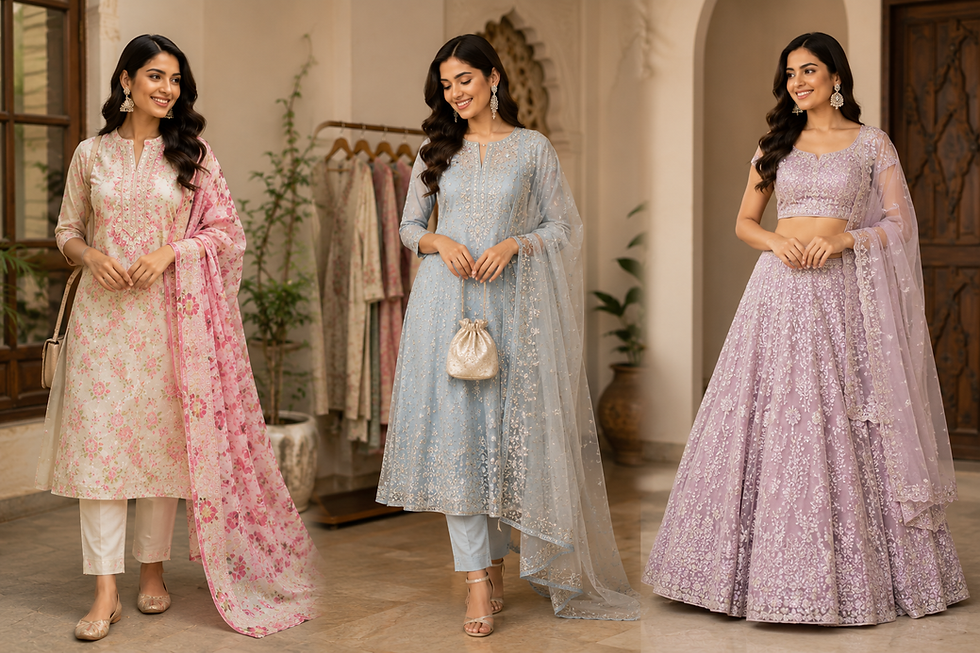
Hand block print outfits are easy to style because the print already carries visual interest. A hand block print kurti looks elegant with straight pants, leggings, or denims. A hand block print kurta set can be paired with juttis, silver jewellery, or a simple dupatta for an effortlessly ethnic look. If you prefer something more festive, a richer print in deeper tones can work beautifully for family events or cultural occasions.
For a more modern look, keep accessories minimal and let the print lead. For a more traditional look, choose oxidised jewellery, woven bags, and handcrafted footwear. The versatility is one of the biggest reasons hand block prints continue to perform well in women’s fashion.
How to care for hand block print clothes
Because hand block printed fabrics rely on handcrafted colour application, care matters. Gentle washing, mild detergent, and shade drying help preserve the look for longer. Fabrics dried in sunlight during the final stages of production may still benefit from careful washing at home, especially if the print uses traditional dyes or delicate finishing.
If you want your hand block print kurti or kurta set to stay beautiful:
wash gently,
avoid harsh scrubbing,
dry away from strong direct sun whenever possible after home washing, and
store it in a way that prevents unnecessary friction.
Why shoppers keep coming back to Jaipur hand block prints
Jaipur’s hand block printing tradition continues to matter because it is not just a design style; it is a living craft supported by skilled artisan communities and shaped by generations of practice. Sanganeri’s refined florals and Bagru’s earthy natural-dye aesthetic each offer a distinct look, which is why the region remains central to India’s textile identity.
For today’s shopper, that means one thing: you are not just buying a print. You are buying a piece of textile history that still feels relevant in everyday fashion. That is exactly why hand block print kurtis, dresses, and kurta sets continue to be searched, worn, and loved.
Shop hand block print styles with Aakrati Vastram
If you are looking for hand block print outfits that feel elegant, wearable, and rooted in Indian craftsmanship, Aakrati Vastram can help you shop for pieces that suit your wardrobe. Whether you want a hand block print kurti, a hand block print kurta set, or a print that works for both daily wear and festive dressing, choosing the right outfit becomes much easier when comfort and style are both part of the plan.
Frequently Asked Questions
What is hand block printing?
Hand block printing is a traditional textile technique where artisans carve designs into wooden blocks, dip them in dye, and stamp patterns onto fabric by hand. It is especially associated with Jaipur’s craft traditions.
What is the difference between Sanganeri and Bagru prints?
Sanganeri prints are known for fine floral motifs on white or off-white fabrics, while Bagru prints are known for earthy tones, natural dyes, and bolder traditional patterns.
Which fabric is best for hand block print kurtis?
Cotton is one of the best choices because it is breathable, comfortable, and suits the handcrafted look of block printing well.
Are hand block print outfits good for daily wear?
Yes. Hand block print kurtis and kurta sets are popular for daily wear because they feel comfortable, versatile, and easy to style for multiple occasions.


Comments